Lambeth Council rubbish rules what Waterloo residents must know
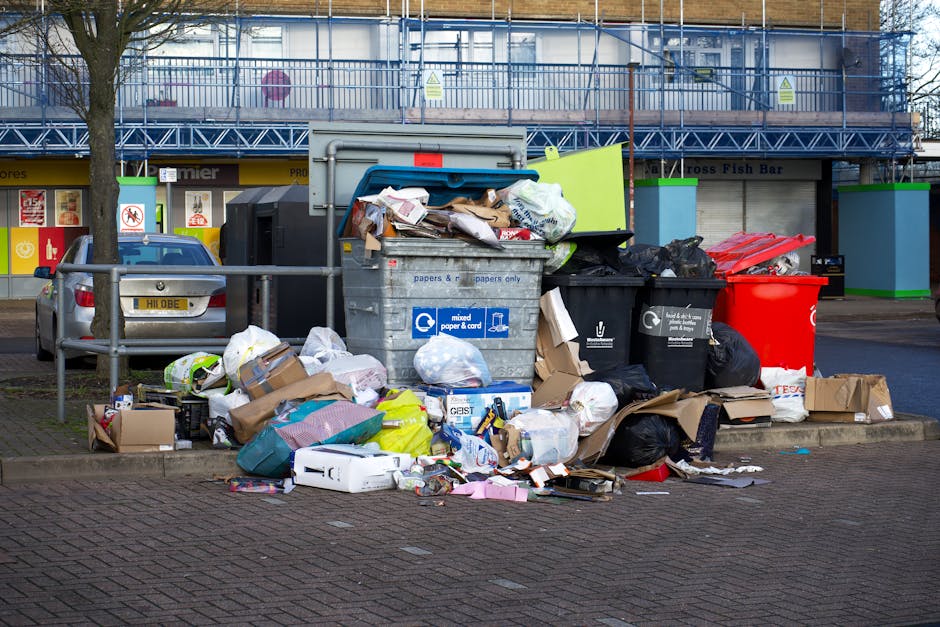
If you live, work, or manage a property in Waterloo, rubbish rules can feel oddly complicated for something so ordinary. One week the bags are out early, the next they've been left behind, and suddenly the street looks messier than it should. That's exactly why understanding Lambeth Council rubbish rules what Waterloo residents must know matters: it helps you avoid missed collections, reduce complaints, and keep your building, shopfront, or household on the right side of local expectations.
Truth be told, most problems are not dramatic. They are small, everyday things: bin bags out too early, recycling mixed with food waste, cardboard left loose in the rain, or bulky items dumped because nobody was sure what to do with them. This guide breaks all of that down in plain English. You'll get a practical view of how the system works, what Waterloo residents should watch for, and the sensible next steps when council collection doesn't quite fit the job.
And yes, there's a bit of nuance here. Waterloo sits right on the edge of busy central London living, so collection timing, storage space, shared entrances, and high footfall all matter. Let's get into it properly.
Why Lambeth Council rubbish rules what Waterloo residents must know Matters
Waste rules are not just about tidiness. In Waterloo, they affect how a street feels, how easy it is to move through shared spaces, and whether you end up spending time fixing avoidable messes. When bins are overflowing or rubbish is left in the wrong place, the impact shows quickly: odours, vermin risk, blocked pavements, and friction with neighbours or building managers. Not exactly the sort of atmosphere anyone wants outside their front door.
For residents, the practical issue is simple: if you know what Lambeth expects, you can put waste out correctly, separate materials better, and reduce the chance of a collection being refused. For landlords, letting agents, and small businesses, the stakes are a little higher because repeated problems can lead to complaints and extra costs. Nobody enjoys a week where the bin store smells faintly of old takeaway and rain-soaked cardboard.
There is also a planning side to this. Waterloo properties often have limited storage, shared access, or busy frontages. That means rubbish has to be managed with more care than in a quiet suburban street. One missed collection can snowball fast. You know how it goes: a couple of extra bags become a corner pile, then everyone starts blaming everyone else.
So, the big picture is this: rubbish rules are about keeping your property compliant, keeping neighbours onside, and making sure waste leaves the building in a controlled, predictable way.
How Lambeth Council rubbish rules what Waterloo residents must know Works
At a practical level, the council system is built around regular household collections, recycling separation, and clear presentation rules. In plain terms, that means waste needs to be sorted, bagged, and placed in the right container or collection point at the right time. Simple enough, until you live in a flat with three neighbours, a narrow hallway, and nowhere to stash a broken wardrobe.
Most Waterloo residents will be dealing with a mix of general waste, dry mixed recycling, food waste, and occasionally special items. The exact set-up can vary by property type, so the first thing to understand is that the rules are often shaped by where and how you live. A house with individual bins is not the same as a mansion block with communal containers, and neither behaves like a small shop or cafe near the station.
The core idea is consistency. Waste should be presented neatly, on the correct day, using the correct container. Recycling should be clean enough to process. General rubbish should be bagged securely. Cardboard should not be left blowing around the pavement like it has somewhere better to be.
For bigger or awkward items, council collections may not be the best fit. That's where alternative arrangements come in, especially for bulky furniture, old appliances, loft clear-outs, or business waste. If you need a broader service, a page like waste removal can be useful for understanding what a managed clearance looks like in practice.
What Waterloo residents usually need to keep straight
- Collection day: Put waste out on the right day, not the night before unless local practice allows it and it will stay secure.
- Container type: Use the correct bin, sack, or communal storage point.
- Sorting: Separate recycling from general rubbish and keep food waste out of the wrong stream.
- Condition: Make sure items are not leaking, breaking open, or attracting pests.
- Oversized items: Handle bulky waste separately rather than leaving it beside bins.
In a busy area like Waterloo, those five basics do most of the heavy lifting. Honestly, a lot of waste issues are solved by getting them right. Boring? A bit. Effective? Very.
Key Benefits and Practical Advantages
Following the right rubbish rules does more than keep you out of trouble. It makes daily life smoother. In our experience, people underestimate how much time gets wasted chasing bin problems, especially in shared blocks or mixed-use buildings. When waste is handled properly, the whole property feels calmer and easier to manage.
Here are the biggest benefits:
- Less clutter around the property: Clear waste systems keep entrances, courtyards, and pavements usable.
- Lower risk of missed collections: Correct presentation makes it easier for crews to collect everything efficiently.
- Better hygiene: Properly contained waste reduces smells, spillages, and pest attraction.
- Less neighbour friction: Shared buildings run more smoothly when everyone follows the same routine.
- Better recycling outcomes: Clean, separated recycling is easier to process than mixed or contaminated material.
- More predictable costs: Fewer emergency clear-ups, fewer complaints, and fewer last-minute fixes.
There is also a quiet but important benefit: once the waste routine is set up properly, nobody has to think about it quite so much. It just works. And that, let's face it, is the best kind of household admin.
For households looking to clear bigger items efficiently, services such as house clearance, flat clearance, or furniture clearance can be more practical than trying to fight with curbside limits.
Who This Is For and When It Makes Sense
This guidance is for a wider group than you might think. Yes, it clearly matters to Waterloo residents, but it also matters to landlords, managing agents, landlords' tenants, local businesses, and anyone overseeing shared property waste. If you've ever stood in a bin store and thought, "Right, whose turn is it now?", this section is for you.
It makes particular sense if you are:
- moving into a new flat or house and want to avoid early mistakes;
- living in a building with communal bins or shared access;
- managing a rental property with tenant turnover;
- running a cafe, shop, office, or small business near Waterloo;
- dealing with bulky items after redecorating or a clear-out;
- trying to improve recycling rates without overcomplicating things;
- sorting out waste complaints or recurring bin-store issues.
Businesses in particular often need a separate approach. Commercial waste has its own expectations, especially when volumes are higher or packaging builds up quickly. If you're in that situation, it helps to look at a dedicated option such as business waste removal or industry-specific support like small business rubbish removal in Waterloo.
And if you are dealing with a one-off clear-out, remember: not every item belongs in the normal weekly routine. That's where a quick sense-check saves a lot of grief.
Step-by-Step Guidance
If you want a practical way to stay on top of the rules, use this sequence. It keeps things simple and avoids the usual "I'll sort it later" trap. Later, as we all know, is where the problems grow legs.
- Identify your property setup. Check whether you have individual bins, sacks, or communal containers. This changes how waste should be presented.
- Separate your waste streams. Keep general rubbish, recycling, and food waste apart from the start. Don't mix them and hope for the best.
- Check the collection schedule. Make sure you know which day applies to your property, especially after holidays or service changes.
- Bag and contain waste properly. Use secure bags and suitable containers so loose litter does not spread across pavements or shared areas.
- Flatten cardboard and reduce volume. This is a small step that makes a surprisingly big difference in flats and busy terraces.
- Keep the bin area clean. Wipe spills, avoid overfilling, and do not leave items beside bins unless they are part of an arranged collection.
- Arrange a separate solution for bulky items. Sofas, wardrobes, appliances, and renovation waste usually need a different approach.
- Review what your property generates. If you notice recurring problems, look at the cause rather than just moving the bags around.
Here's a simple rule of thumb: if an item is awkward, heavy, dirty, or likely to break a bag, it probably needs special handling. That applies especially to items like fridges, mattresses, broken shelving, and renovation debris.
If you need a cleaner route for large household items, related services such as fridge and appliance removal or mattress and sofa disposal can be much easier than trying to improvise.
Expert Tips for Better Results
The difference between a decent waste routine and a truly reliable one usually comes down to small habits. Not flashy, not complicated. Just consistent. A few practical tips can save a lot of time and awkward conversations in the long run.
Build waste handling into your weekly rhythm
Do the same things at the same time each week. For example, check bins on the evening before collection, flatten cardboard after shopping, and set aside bulky items as soon as you spot them. A routine beats memory every time.
Keep a spare system for overflow
In a small Waterloo property, a sudden pile-up can happen after guests, tradespeople, or delivery-heavy weeks. Have a backup plan, whether that means a temporary storage corner, an extra recycling box, or a booked clearance.
Think about the weather
London rain changes everything. Cardboard gets soggy fast, loose bags tear more easily, and bin stores start smelling sooner. If there's a wet spell, get materials under cover where possible. A damp box on the pavement is not helping anyone.
Don't overfill containers
Overstuffed bags split. Overfull bins attract complaints. And overfull communal stores become a mini disaster zone by Friday morning. Keep a little breathing room if you can.
For businesses, separate operational waste early
Cafes, offices, and shops produce waste in patterns. Packaging, food residue, and occasional broken fixtures should not all end up in one emergency pile behind the premises. If your business generates steady volumes, a regular collection solution is usually the calmer option. The guide to rubbish removal for Waterloo cafes, shops and offices is a helpful place to think that through.
One small, slightly nerdy tip: label storage areas if multiple people use them. It sounds almost too simple, but it reduces confusion immediately. The bin store becomes less of a guessing game. Which, frankly, is a win.
Common Mistakes to Avoid
Most waste problems are caused by a handful of repeat mistakes. Once you know them, they're easier to avoid. Here are the ones that show up again and again in urban London properties.
- Leaving rubbish out too early: Bags can tear, spill, or be tampered with before collection.
- Mixing recycling with food waste: Contamination can ruin otherwise good recycling loads.
- Assuming all bulky items can go with general waste: They usually cannot, and they definitely should not be left beside the bins.
- Ignoring communal rules: Shared buildings need shared habits, otherwise the bin store becomes everyone's problem.
- Not checking access routes: If collection crews can't reach the bins safely, collection may be delayed or refused.
- Storing waste near exits or fire routes: This is poor practice and can raise safety concerns.
- Putting hazardous items out casually: Paint, chemicals, sharps, or certain electricals need proper handling.
The sneaky mistake is the "it'll be fine" approach. Sometimes it is fine. Often, though, it turns into a small mess that takes a lot more effort to fix than it would have taken to do it properly in the first place.
If you are dealing with difficult or risky waste, take a more cautious route and look at hazardous waste disposal instead of guessing.
Tools, Resources and Recommendations
You do not need fancy equipment to manage rubbish well, but a few basic tools make life easier. Most are inexpensive, and some are just about convenience. The aim is to make the right thing easy to do.
- Heavy-duty bin bags: Useful for preventing splits, especially with mixed household rubbish.
- Stackable storage boxes: Good for keeping recycling dry before collection.
- Labelled containers: Helpful in shared flats or office settings.
- Trolley or sack truck: Handy for moving heavier items to collection points safely.
- Protective gloves: A simple safeguard when handling dirty or sharp waste.
- Calendar reminders: Easy way to avoid collection-day forgetfulness.
It also helps to know which kinds of waste need a specialist service. For example, garden cuttings may suit a targeted collection, while an office archiving clean-out may need secure shredding. If that sounds like your world, garden clearance and confidential shredding are relevant options to explore.
For residents comparing service styles, the right choice often depends on speed, volume, access, and item type. A broad clearance may suit a one-off move-out. A narrower collection may be better if you only have a few awkward items. There isn't one perfect answer, annoyingly. There usually isn't.
Law, Compliance, Standards, or Best Practice
When rubbish rules are discussed, people sometimes jump straight to fines. That's understandable, but the safer and more useful way to think about it is compliance and best practice. The goal is to keep waste controlled, safe, and legally appropriate for the setting.
In practical terms, that means:
- placing waste out only in line with the relevant collection arrangements for the property;
- keeping pavements, entrances, and shared areas clear;
- separating recyclable material where required or expected;
- handling business waste through suitable arrangements rather than mixing it with household refuse;
- managing hazardous or specialist items carefully and responsibly.
For commercial premises, the standard is often a bit stricter in practice because the waste volumes are higher and the reputational impact is more visible. A cafe with piles of cardboard outside during the morning rush creates a different impression from a single household bag waiting for collection. Same problem, different scale.
Best practice also includes choosing a provider that explains what can be taken, what needs separating, and how items are handled. If you are comparing services, pages like insurance and safety and health and safety policy help show what responsible operation looks like.
One caution worth saying plainly: if you are ever unsure whether an item counts as hazardous, oversized, or special-category waste, treat it carefully first and ask questions second. That order matters.
Options, Methods, or Comparison Table
Residents in Waterloo usually have more than one way to deal with rubbish. The best choice depends on volume, urgency, access, and the type of waste. Here's a straightforward comparison.
| Method | Best for | Pros | Trade-offs |
|---|---|---|---|
| Standard council collection | Routine household waste and everyday recycling | Simple, familiar, usually the first choice for regular waste | Less flexible for bulky items, access issues, or larger clear-outs |
| Bulky item collection | Sofas, mattresses, white goods, large furniture | Better for awkward items than leaving them outside | Often needs extra planning and may not suit urgent deadlines |
| Dedicated clearance service | Flat moves, house clear-outs, lofts, garages, offices | Fast, flexible, useful for mixed loads and access challenges | Usually chosen for convenience rather than the smallest loads |
| Specialist waste service | Hazardous, confidential, or unusual waste streams | Safer handling and more suitable disposal route | Requires proper identification of the waste type first |
If you are trying to choose between them, ask yourself three things: how much waste do I have, how quickly does it need to go, and is it ordinary household material or something trickier? That three-question filter clears up a lot.
Case Study or Real-World Example
Here's a realistic Waterloo-style scenario. A tenant moves out of a second-floor flat near a busy road. The household bins are already full, the lift is small, and the old sofa will not fit down the stairwell without a struggle. Meanwhile, the landlord wants the property turned around quickly for new viewings. Pretty ordinary, really, but awkward in all the usual ways.
If the sofa and extra furniture are left by the bins "for later", the building soon looks untidy and the items may become a complaint. In a shared block, that can create tension fast. A better approach is to separate what can go with regular waste, identify the large items, and arrange a focused clearance rather than hoping the council collection will somehow absorb it all.
In this kind of situation, using a broader service can be the practical move. A flat clear-out, a furniture collection, and removal of leftover household clutter usually solves the problem in one visit rather than stretching it over several collection cycles. If the property is larger or heavily cluttered, options like home clearance, loft clearance, or garage clearance can be a better fit.
The useful lesson here is not that every situation needs professional help. It's that a good plan saves time, avoids mess, and keeps the property moving. Sometimes that's worth more than trying to squeeze everything into the next collection slot.
Practical Checklist
Use this checklist before collection day or before arranging a larger clearance. It keeps the process tidy and reduces avoidable issues.
- Have you checked the correct collection day for your property?
- Are recycling and general waste separated properly?
- Are all bags tied securely and containers closed where possible?
- Is cardboard flattened and kept dry?
- Have you removed items that need special handling?
- Are bulky items booked or planned separately?
- Is the bin store or collection point clear of obstacles?
- Will the crew or collector have safe access to the waste?
- Have you kept fire exits and shared corridors clear?
- Do neighbours, tenants, or staff know the routine?
If you can tick most of those off, you're already ahead of the curve. Not glamorous, but effective.
Get a free quote today and see how much you can save.
Conclusion
For Waterloo residents, understanding Lambeth Council rubbish rules is really about making everyday life easier. The cleaner the routine, the fewer the headaches. Waste goes out where it should, collections are less likely to be disrupted, and your property feels more under control. That matters whether you live in a flat, manage a building, or run a local business.
The main takeaway is simple: sort waste correctly, present it properly, and use the right route for bulky or specialist items. Do that consistently and the whole system works better. Do it only occasionally, and, well, the bin area starts telling its own story.
Small habits make a big difference. Keep them steady, and the rest tends to fall into place.
Frequently Asked Questions
What are the main Lambeth Council rubbish rules Waterloo residents should know?
The main rules are to sort waste correctly, use the right containers, put items out at the right time, and keep pavements and shared areas clear. The exact set-up can vary by property type, so it's worth checking what applies to your home or building.
Can I leave rubbish out the night before collection?
Only if that is appropriate for your property and the waste will remain secure. In Waterloo, early placement can create mess, attract pests, or lead to complaints, so it is better to keep waste contained until it is ready to be collected.
What should I do with bulky items like sofas or mattresses?
Bulky items usually need a separate solution. They should not be left beside normal bins. Depending on the item and urgency, you may need a bulky collection or a clearance service such as furniture or mattress disposal.
Does recycling have to be clean?
Yes, as a rule of thumb, recycling should be reasonably clean and uncontaminated. Food residue, liquids, and mixed waste can make recycling harder to process and may lead to problems with the load.
What if my building has communal bins?
Communal bins rely on shared responsibility. Follow the building's storage and presentation rules, avoid overfilling, and make sure waste is placed in the correct container. In shared blocks, one person's sloppy bag can become everyone's irritation very quickly.
How do I manage rubbish in a small Waterloo flat?
Use compact, regular sorting habits. Flatten cardboard, bag waste securely, and avoid keeping loose items in hallways. If space is tight, a planned clearance for bulkier items is often more practical than trying to store them for weeks.
What counts as hazardous waste?
Hazardous waste can include items that are unsafe, reactive, or need special handling. If you are unsure whether something qualifies, do not put it into general waste. It is safer to treat uncertain items cautiously and get specialist advice.
Are businesses in Waterloo treated differently from households?
Yes, usually. Businesses often generate different waste streams and are expected to manage commercial waste properly. That includes suitable collections, clear separation, and a more structured approach to storage and removal.
What are the most common rubbish mistakes people make?
The most common mistakes are mixing waste streams, leaving bags out too early, overfilling bins, ignoring bulky item rules, and forgetting about access and safety. None of them are dramatic on their own, but they can add up fast.
How can I reduce waste problems in a shared property?
Use simple labels, keep a shared routine, and make responsibilities clear. In a building with tenants or multiple households, consistency matters more than perfection. A boring system that everyone follows is better than a clever one nobody remembers.
When should I use a clearance service instead of council collection?
Use a clearance service when you have bulky furniture, a large volume of waste, access challenges, or a deadline to meet. Council collection is great for routine waste, but it is not always the best fit for bigger or time-sensitive jobs.
Where can I find more help if I need a bigger waste job handled?
Look at broader options for house, flat, office, or specialist clearance depending on what you need removed. A managed service is often the simplest route when the waste is too much for normal collection or too awkward to handle safely on your own.
If you take one thing away, let it be this: a good rubbish routine is quiet, tidy, and unremarkable in the best possible way. And that's exactly how you want it.