Health and Safety Policy — Commercial Waste Waterloo
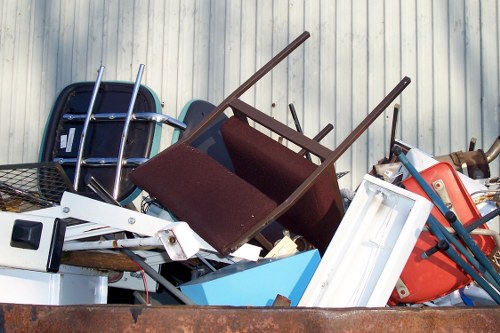 Purpose: This policy sets out the health and safety commitments of Commercial Waste Waterloo and associated commercial rubbish services. Its aim is to protect employees, subcontractors, clients and the public by reducing harm from waste handling, transportation and disposal activities. The policy applies to all commercial waste collection, rubbish removal and site-based waste management operations undertaken on behalf of the company.
Scope: The policy covers routine collection rounds, client site collections, bulky refuse removal, containerised waste transfer, and depot-based processing. It includes responsibilities for safe systems of work, personal protective equipment, vehicle loading and manual handling controls. Variations of service such as commercial waste collection, rubbish collection Waterloo and specialist refuse removal are encompassed by this document.
 Responsibilities: Management will provide leadership, resources and oversight to maintain a safe working environment. Supervisors are responsible for ensuring risk assessments are current and that staff follow safe operating procedures. Employees must cooperate, attend required briefings and report hazards or incidents promptly. Subcontractors and temporary workers are expected to meet the same safety standards as permanent staff.
Risk Control and Operational Standards
Risk assessments: Formal risk assessments will identify hazards associated with commercial waste services and disposal activities. Controls will be implemented based on the hierarchy of risk control, emphasizing elimination, substitution, engineering measures and administrative controls. Routine reviews will be scheduled and updated when processes, equipment or legislation changes.
- Safe systems of work for collection rounds and depot activities
- PPE standards for handling, sorting and transport
- Vehicle and load security checks before departure
- Segregation and labelling for hazardous or specialist wastes
Training: Staff will receive induction training, periodic refreshers and task-specific instruction covering manual handling, sharps awareness, hazardous waste awareness and vehicle safety. Training records are maintained and mandatory competency checks are conducted for drivers, lifting equipment operators and supervisors.
Safe Equipment Use and Personal Protective Measures
 Personal Protective Equipment (PPE): Appropriate PPE — including gloves, hi-vis clothing, safety boots and eye protection — must be worn when required. PPE selection reflects risk assessment findings; damaged or contaminated PPE must be replaced. Supervisors will ensure availability and enforce correct use.
Vehicles and plant: Vehicles used for rubbish collection and commercial waste transport will be maintained to roadworthy standards. Daily and weekly checks will cover brakes, lights, securing mechanisms and lifting appliances. Drivers must follow load restraint guidance and avoid overloading. Vehicles involved in speciality waste moves will carry suitable spill kits and containment tools.
Manual handling and ergonomics: Manual lifting hazards are controlled through mechanical aids, team lifts and safe lifting techniques. Work patterns are planned to limit repetitive strain and fatigue. Job-specific guidance is given for bulky waste removal and container handling to minimise musculoskeletal injury.
Hazardous waste and contamination control: Some commercial waste streams may contain hazardous or infectious materials. These must be segregated, labelled and handled according to hazard classification and disposal requirements. Staff dealing with potentially infectious or chemical wastes will receive enhanced training and access to additional controls such as respirators and spill containment.
Incident reporting & investigation: All accidents, near misses and dangerous occurrences will be reported immediately and investigated to identify root causes. Learning outcomes will inform task risk assessments and operational changes. Records of incidents and corrective actions are maintained to demonstrate continuous improvement across our commercial rubbish services and waste management operations.
 Monitoring and audit: Regular site audits, vehicle inspections and safety observations ensure compliance with this health and safety policy. Performance indicators, including incident frequency, training completion and audit outcomes, are reviewed by management. External audits may be commissioned where appropriate to validate internal controls and provide independent assurance.
 Emergency response: Clear emergency procedures are in place for fires, spills, vehicle incidents or medical emergencies. Staff are trained to implement initial controls, summon assistance and isolate hazards. Emergency equipment such as first aid kits, fire extinguishers and spill response materials are checked regularly and accessible at operational sites and vehicles.
Contractor and client engagement: Where work is conducted on client premises, the client’s safety requirements will be communicated and integrated with company procedures. Contractors engaged by Commercial Waste Waterloo must demonstrate suitable health and safety arrangements and comply with agreed safe working conditions for rubbish collection, transfer and processing tasks.
Policy review and commitment: This policy is reviewed at defined intervals and updated following significant incidents, organisational change or revised best practice. Management is committed to providing the necessary resources to implement and continually improve health and safety performance across all commercial waste services and refuse management activities. Compliance with applicable regulations and recognised standards will be maintained, with emphasis on prevention and the wellbeing of our workforce and the communities we serve.
