Commercial Waste in Waterloo
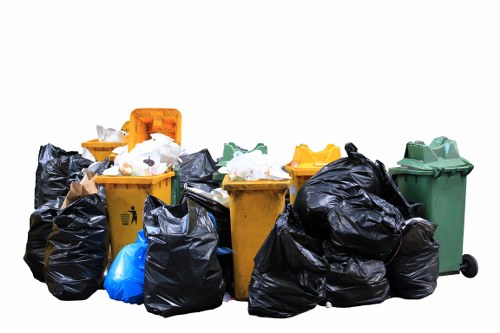
Commercial waste in Waterloo needs a practical, reliable service that fits the pace of offices, shops, hospitality venues and shared workspaces. We provide business waste removal arranged around the material you need taken away, with attention to sorting, loading and responsible disposal. The aim is straightforward: keep usable space clear, move waste out without fuss, and handle the collection in a way that suits the type of premises involved.
Our service covers a broad mix of non-hazardous business waste, from routine sacks and mixed office rubbish to bulkier items that can build up after moves, refurbishments or stock changes. We also support customers who need a more structured approach to disposal, especially where different materials have to be separated before collection. If you are comparing options, pricing and quotes can help you understand the information needed for a quotation.
For businesses that want less disruption, the process is designed to stay practical from the outset. Tell us what needs removing, how much there is and where it is located, and we can quote on that basis. Clear descriptions are useful, but so are photos when the load includes mixed items or awkward access. If you are ready to discuss your collection, make an enquiry and ask for a quotation.
Office waste and workplace clearances
Office waste removal often involves more than simply taking away black sacks. Desks, chairs, filing units, monitors, packaging and old storage can all appear at the same time, especially after a fit-out or a move. We handle collections with an eye on practical separation, so items that can be removed cleanly are dealt with efficiently and anything requiring a different route is identified before the work begins. This makes it easier to keep the workplace functioning while waste is cleared.
For companies reviewing what should stay and what should go, the useful step is to group items by type rather than by room alone. That helps with loading and gives a clearer basis for a quotation. office clearance may be relevant where the work includes broader removal from staff areas, meeting rooms or storage spaces. If the collection includes confidential paperwork, consider whether it needs separate handling before the main load is taken away.
What an office clearance can cover
An office clearance can include general rubbish, redundant furniture, archive material and smaller loose items from workstations or back rooms. In many cases, the most efficient approach is to remove the heaviest or most obstructive items first and then clear the remaining waste in one planned load. We can help with collections that involve mixed contents, but the items must be described accurately so the right vehicle and loading plan are used. That keeps the process orderly and avoids unnecessary delays on site.
Builders’ waste and refurbishment debris

Commercial waste work in Waterloo often includes builders’ waste left after repairs, decorating or light refurbishment. Offcuts, broken boards, packaging, fixtures and old fittings can accumulate quickly, and the collection needs to match the shape of the project rather than follow a one-size-fits-all method. We remove renovation debris with attention to access, weight and the kinds of materials involved, so the site can be returned to a workable condition without extra clutter.
Where a project creates a mixed load, it helps to separate heavy rubble-like material from lighter waste and from items that may need specialist treatment. builders' waste clearance is a relevant service page if you are planning a larger clean-up after work on a commercial property or fit-out. For a precise quotation, the most useful details are the approximate volume, the floor level and whether the waste is already gathered in one place.
Some materials from building or refurbishment work may require a different handling route, so it is sensible to identify anything unusual before collection day. That includes sharp offcuts, damaged metal, plasterboard, and items contaminated by adhesives or dust. When the waste is described clearly, the quotation can reflect the actual load and the collection can proceed with fewer surprises. Well-organised access and a clear pickup point also make the job easier to complete.
Business premises, shops and mixed commercial loads
Many customers need business waste removal for premises that do not fit neatly into one category. Shops generate packaging, end-of-line stock and display material; cafés and hospitality venues produce mixed rubbish; shared workspaces may need a blend of office waste and reusable items to be moved together. We approach these collections by looking at the material type first, then the access arrangements and the practical order in which the waste should be loaded.
If your business produces regular waste alongside occasional bulky items, it can be useful to separate the steady stream from the one-off clear-out. That makes pricing easier to understand and helps decide whether the collection should be arranged as a general waste removal or a more targeted clearance. business waste removal gives a useful route when the work centres on ongoing commercial rubbish rather than a single isolated load.
When preparing for a collection, keep the explanation short but complete: the materials, the approximate amount, and any access limits such as narrow stairwells, restricted hours or loading bays. If there are items you want to keep on site, mark them off before the load is gathered. That prevents confusion and makes the removal more straightforward for everyone involved. If you are comparing a few collection options, ask for a quotation once the waste has been described in practical terms.
Recycling, sorting and responsible disposal
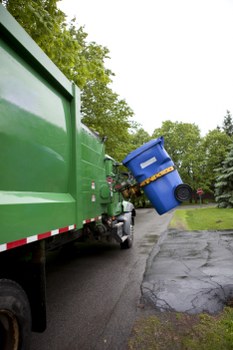
Responsible commercial waste removal is not only about taking items away; it is also about separating what can be directed into the right disposal route. Mixed business loads often contain paper, plastics, metal, broken furniture, packaging and general refuse. Sorting this correctly before or during collection helps reduce avoidable contamination and supports a more orderly process. We work with the material presented, so accurate description is important when the load is varied.
If the waste contains a lot of recyclable material, it is sensible to flag that early. recycling and sustainability is a relevant page for customers who want to understand how reuse and recycling fit into the service. This does not change the basics of the collection itself, but it can help you decide how to prepare the items and which materials should be kept apart before pickup.
Mixed loads are often easier to manage when the heavier items are placed separately from loose bags and smaller pieces. That helps with lifting and reduces the chance of smaller items being crushed or scattered. We can then assess the collection more accurately and keep the work moving in an orderly way. If you need the waste gone from a busy site, a well-sorted load usually makes the day simpler.
Furniture, fixtures and bulky commercial items
Bulky waste is a common part of commercial clearances in Waterloo. Office chairs, desks, shelving, reception furniture, storage units and similar items often need removal when a layout changes or a lease ends. We remove these larger items as part of a wider commercial waste service, with attention to dismantling where necessary and to moving items safely from their point of use to the collection point.
If your premises include furnishings that are no longer needed, it can help to note whether they are freestanding, fixed, or partly dismantled already. furniture disposal is useful where the main task is dealing with individual pieces rather than clearing a whole room. For larger room-by-room work, a broader clearance may be a better fit, particularly when the space contains both furniture and miscellaneous waste.
Bulky items can be awkward in tight stairwells, busy corridors or shared entrances, so access matters as much as the item itself. The quotation process is clearer when you mention any lift restrictions, parking constraints or disassembly requirements. That way, the collection can be planned with a realistic view of the loading work and the route out of the building.
About Waterloo
Waterloo is a central London area on the south bank of the River Thames, opposite the City and close to Westminster, with a landscape shaped by transport infrastructure, civic institutions and riverside development. Its identity is closely linked to Waterloo station, one of the capital’s busiest railway terminals, and to the surrounding streets that connect the station with the South Bank, Lambeth and the approaches to the river. The area takes its name from the Battle of Waterloo, reflecting a 19th-century fashion for commemorative naming that spread through parts of London after 1815. Over time, the district has grown from a rail-led part of the city into a mixed urban quarter with offices, theatres, housing, hotels and public spaces.
Household-scale commercial clearances and changing stock
Some businesses in Waterloo operate from smaller premises that produce waste similar in size to a domestic clearance but with a commercial pattern of use. That can include stockroom tidy-ups, removal of packaging, old displays, broken equipment or accumulated items from back-of-house areas. We handle these jobs with the same attention to sorting and loading as larger commercial collections, while keeping the service proportionate to the amount of waste involved.
When a business only needs one area cleared, a focused collection is often better than a broad, open-ended job. flat clearance and home clearance pages may be helpful only where the premises or contents are being treated more like a complete internal clearance than routine rubbish removal. If that is not the case, a business waste collection with a clear description of the load is usually the simpler route.
Helpful information to gather before you enquire
Before you ask for a quotation, it helps to have a rough idea of the volume, the types of materials and the access route. If there are heavy or awkward items, say so; if the waste is already bagged or boxed, mention that too. A concise description saves time, and a photograph can be useful when the load is mixed or the space is difficult to assess from words alone. That is enough for a practical first response.
Hazardous or specialist materials

Not every item in a commercial setting belongs in a general waste load. Some materials need separate treatment because of their composition, condition or potential risk. That can include chemicals, contaminated containers, specialist equipment or other items that should not be mixed with routine rubbish. We do not present general commercial waste collection as suitable for everything; instead, the material should be identified so the right route can be discussed before pickup.
If you are unsure whether a particular item needs special handling, it is better to mention it up front than to leave it out of the description. hazardous waste disposal is the relevant page when the load may include materials that need a different approach from standard commercial rubbish. That helps avoid confusion and keeps the quotation based on the actual collection requirements rather than on guesswork.
Specialist items should not be hidden in a general waste pile, and they should not be left for the team to identify on arrival. A clear list of what is included is the safest and most efficient starting point. Where necessary, we can then explain whether the item can be taken as part of the job or whether it needs another arrangement.
Booking, access and quotation details
The simplest quotation is the one built from clear, specific details. Tell us what needs removing, where it is located, whether any items are particularly large or heavy, and whether the collection point is easy to reach. If your building has timed access, security checks or loading restrictions, include that as well. Those practical details matter more than long descriptions, because they affect how the work is organised and what vehicle or labour is appropriate.
When the waste is ready, group it together as far as possible without creating an unsafe pile. Keep walkways clear, separate items you are retaining and make sure someone on site can confirm what is to be taken. If you want to compare different collection options, the pages on waste removal and pricing and quotes can support that decision. For an enquiry, provide the waste details and ask for a quotation in the method that suits you best.
If you are booking for a premises that trades during the day, planning the timing around quieter periods can reduce disruption. This does not require a complicated schedule; it simply means matching the collection to access and operations. Prepared access, clear instructions and a plain description of the job are usually enough to keep the process straightforward from quote to collection.
Special items, appliances and shredding
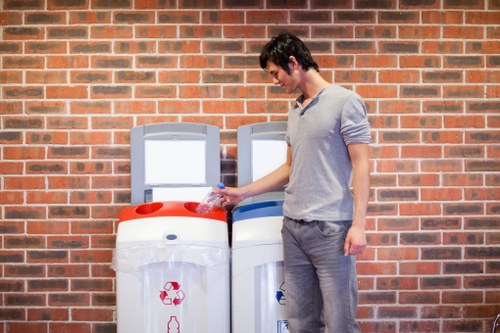
Some commercial waste jobs include items that deserve separate mention because they are bulky, contain mixed materials or are better dealt with apart from ordinary rubbish. Fridges, office appliances, sofas from staff areas, and confidential paperwork can all fall into this category depending on the premises and the load. We offer related removal options where the item type warrants it, but the key point remains the same: describe the material accurately so the collection can be planned correctly.
fridge and appliance removal, mattress and sofa disposal and confidential shredding are useful pages when your enquiry includes one of those specific needs. These services are not substitutes for general waste removal; they are there to help when a particular item or document stream needs a more precise approach. That makes the overall quotation more accurate and the work easier to organise.
As with any commercial collection, the most practical method is to list the items clearly and keep the load together where possible. If some parts of the waste need different handling, say so at the start rather than trying to separate everything at the point of pickup. Contact us to request a quotation and outline the items you need removed.