SE1 rubbish collection costs hidden fees to watch for
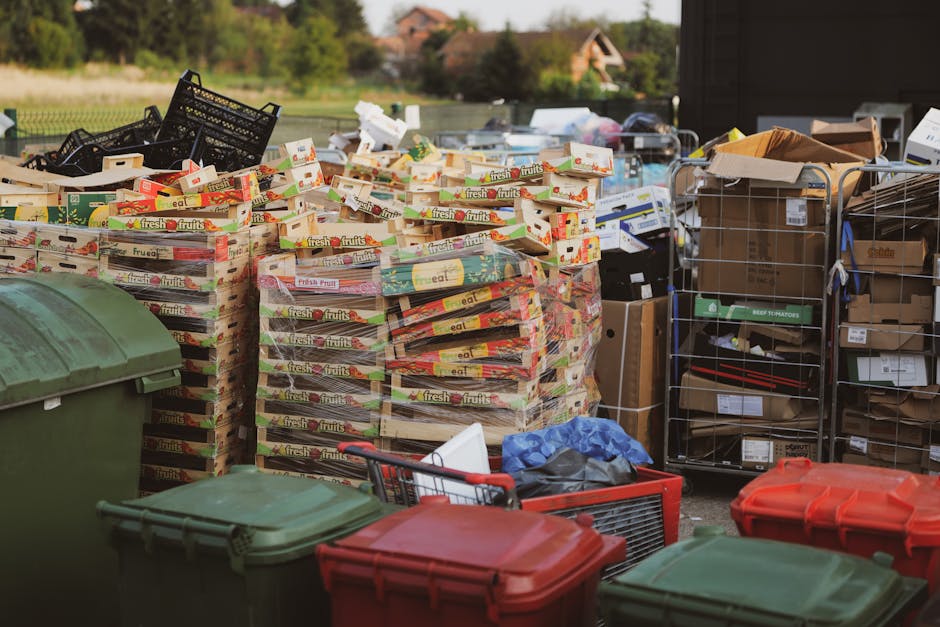
If you are comparing SE1 rubbish collection costs hidden fees to watch for, the headline price is only half the story. In practice, the final bill can shift because of access issues, waste type, waiting time, or even a small misunderstanding about what was included in the quote. That is the bit people miss. And it is usually the bit that stings.
This guide breaks the process down in plain English. You will learn how rubbish collection pricing usually works in SE1, which extras are most likely to appear, how to check a quote properly, and how to avoid paying more than you should. It is written for anyone clearing a flat, office, house, loft, garage, or building waste in central London where space is tight and timing matters. Let's face it, SE1 rarely makes waste removal simple.
Why SE1 rubbish collection costs hidden fees to watch for Matters
In SE1, waste removal is often more complicated than people expect. You may be dealing with basement access, narrow stairwells, lift restrictions, red routes, limited parking, or a building manager who wants everything booked into a small time window. That is normal here. It also means a quote that looks cheap at first can grow once the collector sees the reality on site.
Hidden fees matter because rubbish collection is usually booked under time pressure. Maybe you are handing back a tenancy, clearing an office before Monday morning, or getting rid of builders' waste before the decorators arrive. When time is tight, there is less room to negotiate and more temptation to accept the first price. That is exactly when extras creep in.
The other issue is trust. A clear quote gives you confidence to plan the rest of the job. A vague one does not. And if you are comparing providers, the company that explains pricing well is often the one that handles the job more smoothly too. Not always, but often enough to matter.
Expert summary: The best way to control SE1 rubbish collection costs is to define the waste accurately, describe access honestly, and ask what is excluded before you book. Simple. Very simple, in fact, but easy to skip when you are in a rush.
How SE1 rubbish collection costs hidden fees to watch for Works
Most rubbish collection services quote in one of three ways: by load size, by item type, or by a bespoke estimate after you describe the job. In SE1, the quote is usually shaped by the amount of waste, how heavy it is, and how hard it will be to remove.
A basic collection might include labour, transport, and standard disposal. But the final price can increase if the team has to carry waste a long way, wait for a concierge, return for a second load, or deal with materials that need separate handling. Sometimes that is fair. Sometimes it is just not explained early enough.
If you want a useful quote, be specific. Say whether the rubbish is already bagged, whether there are stairs, whether parking is available, and whether the waste includes heavy or awkward items such as a fridge, mattress, sofa, broken furniture, or builders' rubble. A clear description can save you a back-and-forth email chain later on. Nobody enjoys that. Nobody.
For larger clearances, it can help to compare rubbish collection with related services such as general waste removal, house clearance, flat clearance, or office clearance. These services are often priced differently because the scope is different, so matching the service to the job helps avoid paying for the wrong thing.
Key Benefits and Practical Advantages
Getting the pricing side right does more than protect your budget. It makes the whole collection smoother, especially in a dense part of London where one small delay can turn into a bigger inconvenience.
- Less chance of surprise charges: A detailed quote makes it easier to spot add-ons before the team arrives.
- Better planning: You can book around access windows, landlord deadlines, or end-of-lease dates.
- Faster turnaround: When the waste is described properly, the crew knows what they are walking into.
- Less stress on the day: You are not trying to renegotiate while standing by the front door.
- Better value overall: A slightly higher honest quote is often better than a bargain price that balloons later.
There is also a practical quality-of-life benefit. A fair quote lets you decide whether to sort, segregate, or combine jobs. For example, if you are clearing old furniture and a few bags of general junk, it may make sense to use a furniture-focused service or a broader clearance option, depending on how the provider prices labour and disposal.
Who This Is For and When It Makes Sense
This topic matters to a lot of people in SE1, not just landlords and business owners. Tenants moving out, flat owners doing a spring clear-out, office managers emptying storage, tradespeople removing builders' waste, and families handling a probate clearance all face the same problem: pricing can look straightforward until it is not.
It especially makes sense to pay attention if your waste falls into one of these categories:
- mixed household rubbish
- old furniture and soft furnishings
- appliances and white goods
- post-refurbishment rubble or packaging
- garage, loft, or basement clutter
- commercial waste or office clearances
- items needing special handling, such as fridges or hazardous waste
If you are clearing a property rather than just removing one bulky item, it may also be worth looking at home clearance, loft clearance, garage clearance, or builders waste clearance. These pages matter because the pricing logic can differ quite a bit. A single sofa is one thing. A full post-renovation pile is another beast entirely.
Step-by-Step Guidance
1. List the waste properly
Start by counting items and grouping them by type. Put bulky items, bagged waste, recyclables, and anything unusual into separate notes. If it helps, walk around the room with your phone camera and take a few pictures. It sounds obvious, but people often underestimate the amount by half a van, sometimes more.
2. Check access honestly
Be direct about stairs, lifts, loading restrictions, and parking. In SE1, access is often the thing that changes the job most. A ground-floor collection with easy parking is very different from a fourth-floor flat with no lift and a long carry to the vehicle.
3. Ask what the quote includes
Do not just ask, "How much?" Ask what is covered. Does it include labour? Disposal fees? Congestion or parking-related time? Does it cover a set weight or volume? Is there a minimum charge? A good provider should explain that clearly.
4. Ask which items cost extra
Special waste, electrical appliances, mattresses, sofas, and heavy construction debris are common examples. Some items may require different processing, and that can affect the price. If you have a fridge, for example, it is worth checking whether it needs to be included in a dedicated appliance removal service such as fridge and appliance removal.
5. Confirm the timing and any waiting charges
If access depends on a concierge, a code, or a narrow slot, make sure the provider knows. Delays can lead to extra labour time. It is one of the easiest hidden fees to miss because it is not really hidden at all, just not mentioned.
6. Get the price confirmation in writing
A written quote or booking confirmation helps avoid misunderstandings. If the provider changes the price on arrival, you will have something to refer back to. That alone can save a headache.
Expert Tips for Better Results
The best tip is simple: make the provider work from facts, not guesses. The more exact your description, the less room there is for pricing drift.
- Send photos from different angles. One photo rarely tells the whole story.
- Include the awkward bits. A broken wardrobe frame in the corner, a collapsed desk, a wet mattress - mention it all.
- Ask about separate disposal streams. Mixed waste is often less efficient to handle than separated materials.
- Keep an eye on access time. A two-hour collection window may be fine on paper, but a tight building slot can make it messy.
- Compare like with like. A cheap quote for a tiny load is not the same as a fully inclusive quote for a difficult clearance.
One small human tip from the real world: if a quote feels oddly low, pause. It may be genuine, but it may also leave out the annoying bits. The annoying bits are where the money appears. Usually right when you thought the job was sorted.
Common Mistakes to Avoid
The most common mistake is assuming all rubbish collection quotes are built the same way. They are not. Not even close.
- Ignoring access details: Stairs, parking, and lift use all affect labour time.
- Forgetting item type: Sofas, mattresses, electrical items, and hazardous materials can trigger extra handling.
- Not checking VAT: Some quotes are shown before VAT, others include it. That tiny detail can change the real price.
- Leaving out a second load: If the pile is bigger than expected, a second trip may cost more.
- Assuming sorting is included: Some crews expect waste to be bagged or separated in a certain way.
- Booking the wrong service: A rubbish collection may not be the best fit for a full property clearance or office move.
There is also a bigger mistake: not reading the terms. A lot of frustration comes from a few lines in the small print. Slightly boring, yes. Still worth it.
Tools, Resources and Recommendations
You do not need fancy tools to avoid hidden fees, but a few simple habits make a huge difference.
| Tool or resource | Why it helps | Best used for |
|---|---|---|
| Phone photos | Shows volume, item type, and access issues | Initial quote requests |
| Short written inventory | Reduces missed items and assumptions | Flat, office, or house clearances |
| Measurements of large items | Helps identify bulky or awkward loads | Furniture, appliances, builders' waste |
| Building access notes | Flags stairs, loading limits, or key arrangements | SE1 apartments and managed buildings |
| Price and quote page | Clarifies how a provider structures costs | Before booking a collection |
If you want to understand how pricing is normally presented, the pricing and quotes page is a sensible place to start. For customers who care about card security and payment handling, payment and security is useful too. And if sustainability matters to you, it is worth reviewing recycling and sustainability so you know how waste is being treated after collection.
For anyone clearing a worksite, office, or mixed business premises, business waste removal may be more appropriate than a general domestic pickup. Different job, different pricing logic. That distinction saves problems later.
Law, Compliance, Standards, or Best Practice
Waste collection in the UK is not just about lifting bags and loading vans. There are compliance and safety expectations around how waste is handled, stored, transported, and disposed of. You do not need to know every technical detail as a customer, but you should expect the provider to work safely and responsibly.
In practical terms, that means checking whether certain items need special handling, whether the company explains what happens to your waste, and whether it has sensible safety and insurance practices. It is also wise to be clear about items that may be classed as hazardous or require separate treatment. That is especially relevant for chemicals, oils, paint, and some electricals.
If a provider is transparent about hazardous waste disposal, insurance and safety, and health and safety policy, that is a good sign. It does not magically make the job perfect, but it shows they are thinking beyond the van journey.
One more point worth saying plainly: if you are disposing of confidential paperwork, use a proper shredding service rather than mixing it into general rubbish. A service like confidential shredding is more appropriate for that kind of material. Small detail, big difference.
Options, Methods, or Comparison Table
When people search for SE1 rubbish collection costs hidden fees to watch for, they are often choosing between several ways to clear waste. The right option depends on volume, access, urgency, and item type.
| Option | Best for | Watch out for | Pricing feel |
|---|---|---|---|
| Standard rubbish collection | Mixed junk, smaller clearances | Access charges, item exclusions, minimum load fees | Usually straightforward, but check the fine print |
| Furniture disposal | Bulky single items or a few large pieces | Heavy lifting, stairs, dismantling | Often good value if the items are clearly described |
| Flat or house clearance | Whole-property clear-outs | Underestimating volume or special items | Better for larger jobs where labour matters |
| Builders' waste clearance | Renovation debris and site waste | Weight, rubble, sharp waste, repeat loads | Can rise quickly if the waste is heavy |
| Office clearance | Desks, chairs, files, equipment | Lift access, timed collections, specialist items | Works well when access is planned properly |
If you are trying to remove one or two awkward items, furniture-specific services such as furniture disposal or mattress and sofa disposal may be a cleaner fit than a broad rubbish collection. Again, the goal is to match the service to the waste, not the other way round.
Case Study or Real-World Example
A typical SE1 scenario goes like this. A resident in a top-floor flat clears out an old sofa, a broken desk, four bin bags, and a small stack of unpacked packaging after a move. The first quote looks fine. Then the provider asks about stairs, lift access, parking, and whether the sofa needs dismantling to get out of the door. Suddenly the original estimate is no longer the whole picture.
That is not necessarily bad behaviour. Sometimes the quote simply had incomplete information. The real issue is whether the customer was told how those factors could affect the price. In a better-run booking, the provider would ask upfront, confirm the access details, and explain if any item-specific charges may apply before arriving.
In another common case, a small office in SE1 clears out old chairs, filing cabinets, and a couple of appliances. The cheapest quote may exclude appliance handling or refuse to say whether VAT is included. The office manager ends up spending more time clarifying the invoice than arranging the disposal. A bit annoying, frankly.
The lesson is simple: the cheapest quote is only the cheapest if it stays that way.
Practical Checklist
Use this before you book any SE1 collection.
- Have I listed every item that needs removing?
- Have I mentioned stairs, lifts, parking, and building access?
- Do I know whether the quote includes labour and disposal?
- Have I asked about VAT or any minimum charges?
- Did I identify anything heavy, awkward, or specialist?
- Have I checked whether the job is better suited to a clearance service?
- Do I have a written confirmation of the price?
- Do I know what happens if the load is bigger than expected?
- Have I checked the provider's safety and payment information?
- Am I clear on the collection window and any waiting-time risk?
If you can tick most of those off, you are in a much stronger position. If not, take another look before booking. It takes five minutes. Less, if you are organised.
Get a free quote today and see how much you can save.
Conclusion
SE1 rubbish collection costs hidden fees to watch for is really about one thing: clarity. When you know what you are paying for, the process becomes calmer, quicker, and far less frustrating. The quote stops being a mystery and starts being a plan.
In a busy part of London where access, time, and property layout can all affect the job, the smartest move is to describe the waste honestly, ask direct questions, and compare quotes on the same basis. A transparent provider will welcome that. If they do not, that tells you something too.
Keep it simple, ask the awkward questions, and trust the clear answers. That is usually where the real value is.
Frequently Asked Questions
What hidden fees are most common in SE1 rubbish collection?
The most common extras are access charges, waiting time, additional labour for stairs or long carries, item-specific disposal fees, and VAT if it is not shown in the first quote. Sometimes the fee is justified, but it should be explained clearly.
How can I tell if a rubbish collection quote is too cheap?
If a quote is much lower than others and does not ask about access, item type, or volume, that is a warning sign. A good quote is usually based on proper details, not a quick guess.
Do I need to mention stairs and lift access when requesting a price?
Yes. In SE1, access can change the price significantly. Stairs, no lift, long corridors, keyholding, and parking restrictions all matter.
Are mattresses and sofas usually charged separately?
Often, yes. Bulky soft items may be priced differently because they are awkward to move and may need separate disposal handling. It is best to ask before booking.
What should be included in a clear rubbish collection quote?
Ideally, it should include labour, transport, disposal, any known exclusions, and whether VAT is included. If the service is more specialised, the quote should also state that plainly.
Is it cheaper to use a general rubbish collection or a clearance service?
It depends on the job. A small mixed load may suit general collection, while a larger flat, house, or office clear-out is often better handled as a dedicated clearance. The cheaper option is the one that fits your waste properly.
Can I avoid hidden fees by sending photos first?
Usually, yes. Photos help the provider estimate volume, identify bulky items, and spot access problems. They are not perfect, but they reduce surprises.
What happens if there is more waste on the day than I described?
The price may increase if the load is larger, heavier, or more complex than expected. Good providers will explain this before starting work, not after the van is loaded.
Are appliance collections priced differently?
Often they are, especially for fridges, freezers, and other electricals. These items may need separate handling, so it helps to use a service designed for them.
Should I worry about safety and insurance when booking waste removal?
Yes, at least enough to ask. Safe lifting, sensible handling, and proper insurance are part of a professional service. It is not glamorous, but it matters when something heavy is coming down the stairs.
How do I compare quotes fairly?
Compare the same things in each quote: labour, disposal, VAT, access assumptions, and item exclusions. A like-for-like comparison is much more useful than looking only at the headline price.
What is the best next step if I want a definite price?
Prepare a short item list, take photos, note access details, and request a written quote. That gives you the best chance of an accurate figure and fewer awkward surprises on collection day.
For further service details, you can also review about the company, or read the website's policies on terms and conditions and complaints procedure before you book. A little checking now can save a lot of hassle later.