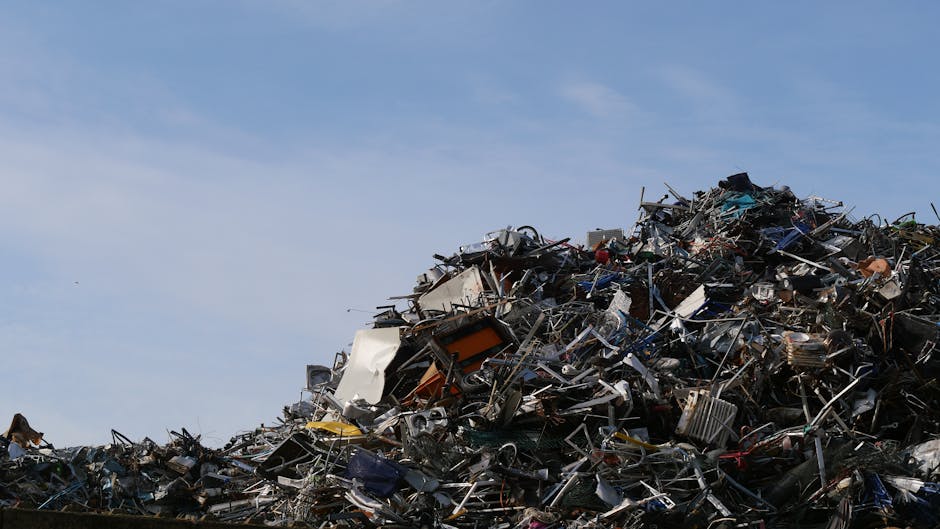
Waterloo Lower Marsh rubbish removal guide for market traders
If you trade at Lower Marsh, you already know the rhythm: early setup, a busy burst of customers, crates and packaging piling up, then the slightly chaotic end-of-day clear-down when the street is quieter and everyone just wants to get home. That is exactly where a solid Waterloo Lower Marsh rubbish removal guide for market traders earns its keep. Good waste handling is not glamorous, no, but it keeps your pitch tidy, helps you work faster, and reduces the chance of complaints, blocked access, or a last-minute scramble with overflowing sacks.
This guide breaks down how market traders can manage rubbish removal in a practical way, from sorting waste on the stall to choosing the right collection method and avoiding common mistakes. You will also find a simple checklist, a comparison table, and a realistic example so you can make sensible decisions without overcomplicating it.
Table of Contents
- Why Waterloo Lower Marsh rubbish removal guide for market traders matters
- How Waterloo Lower Marsh rubbish removal guide for market traders works
- Key benefits and practical advantages
- Who this is for and when it makes sense
- Step-by-step guidance
- Expert tips for better results
- Common mistakes to avoid
- Tools, resources and recommendations
- Law, compliance, standards, or best practice
- Options, methods, or comparison table
- Case study or real-world example
- Practical checklist
- Conclusion
- Frequently Asked Questions
Why Waterloo Lower Marsh rubbish removal guide for market traders Matters
Lower Marsh is not a sleepy backstreet. It is a working market environment with people moving, loading, unloading, browsing, and trying to keep momentum. Rubbish left in the wrong place becomes more than an eyesore. It can slow down trading, create trip hazards, attract pests, and make your stall look less professional than it should. Let's face it, customers notice a messy pitch quicker than they notice a clever display.
For market traders, rubbish removal is also about timing. The best waste plan is usually the one you barely have to think about during service. If your packaging, food waste, damaged stock, or display breakage is handled in a predictable way, you can focus on selling. If not, you spend the last hour stepping over cardboard and wondering where another sack came from. That sort of background friction adds up.
There is also the local reality of shared space. Markets work because traders respect the same narrow stretch of pavement, access routes, and loading windows. A tidy stall helps the whole site function better. In that sense, proper waste removal is not just your problem; it is part of keeping the market workable for everyone.
Expert summary: the best rubbish removal plan for market traders is simple, repeatable, and built around your busiest trading hours. If it relies on guesswork, it usually fails by Friday.
How Waterloo Lower Marsh rubbish removal guide for market traders Works
The basic process is straightforward: separate waste as it is created, store it safely during trading, and arrange removal in a way that fits your stall and your volume. The detail matters, though. A fruit trader will generate very different waste from a vintage clothing stall or a hot-food vendor. One might deal mainly with cardboard and soft plastic. Another may need to manage food scraps, liners, broken cartons, and bulky mixed waste.
In practice, most traders benefit from a routine like this:
- Sort waste at the point of generation. Keep cardboard, mixed packaging, food waste, and any special items separate where possible.
- Use the right containers. Small bins, labelled sacks, or stackable crates are usually easier than allowing everything to drift into one heap.
- Store waste safely until collection. Keep it out of walkways and away from stock, gazebos, or anything flammable.
- Arrange removal at a sensible time. End-of-day collections often work best, but some traders need early-morning or between-service removal.
- Record what leaves your pitch. Even a basic note of what was collected can help if you need to review costs or waste volumes later.
If you use a professional clearance service, the process is typically easier than trying to manage everything yourself. A team can remove sacks, mixed items, damaged stock, old display materials, and bulky waste without your having to hire a vehicle or spend half the day dismantling things. For recurring commercial waste, a business-focused service such as business waste removal is often the neatest fit.
Some traders also need occasional one-off uplift for surplus stock, broken tables, packaging build-up after a busy spell, or clearance after a refit. In those cases, a broader waste removal service can be a useful back-up.
Key Benefits and Practical Advantages
A proper waste plan does more than keep the pitch looking decent. It has a knock-on effect on trading speed, customer perception, and even how tired you feel by the end of the day. Small thing? Maybe. But small things are what make a market day feel manageable instead of messy.
- Cleaner presentation: a tidy stall looks more trustworthy and easier to buy from.
- Less time wasted: you are not repeatedly stopping to crush boxes or shuffle sacks around.
- Reduced safety risks: fewer bags underfoot means fewer slips, trips, and awkward moments.
- Better use of space: every square foot matters at a market pitch, so waste should not steal trading room.
- Improved compliance habits: organised waste handling makes it easier to stay on top of duties and records.
- Less stress at close-down: you can leave the site in a way that feels controlled, not rushed.
There is also a reputation angle that people sometimes underestimate. If your stall is tidy while others are shoving clutter into the nearest corner, customers notice. Not always consciously, but they notice. The effect is subtle, yet real.
For traders with heavier loads, the advantage is even clearer. Broken display shelving, damaged chairs, old signage, and end-of-life fittings can all be cleared in one go rather than being awkwardly stored "for later." If you need to dispose of old counters, chairs, or other reusable fixtures, it may be worth looking at furniture disposal or the wider furniture clearance options.
Who This Is For and When It Makes Sense
This guide is for anyone trading at or around Lower Marsh who produces rubbish during normal operations. That includes regular stalls, seasonal traders, pop-ups, and businesses that run market-style setups with stock rotation and frequent packaging waste.
It makes sense if you are dealing with any of the following:
- daily cardboard and packaging waste
- food wrappers, prep waste, or disposable serving items
- damaged stock that cannot be sold
- broken display equipment or old signage
- cleanup after a market event, promotion, or busy weekend
- repeat rubbish that is too much for a small on-site bin
It also makes sense if your team is tiny. Many market traders are owner-operators or small teams, so waste handling has to be low-maintenance. You do not need a grand system. You need something that works before 8am, after 4pm, and on days when trade is surprisingly hectic.
For stalls that temporarily store stock nearby, or traders who have a small office, back room, or storage base elsewhere in London, it may also help to think beyond the stall itself. An office clearance service can be useful if paperwork, shelving, old office furniture, or storage clutter starts to build up off-site.
Step-by-Step Guidance
If you want a clean, workable routine, keep it simple. The following steps are practical enough to use on a real trading day, not just in theory.
1. Map your waste before the market opens
Look at what your stall is likely to produce. Cardboard? Film wrap? Food packaging? Damaged stock? Once you know the waste streams, you can place the right sacks or bins where they will actually be used.
2. Put bins where hands naturally go
If your staff have to walk across the pitch to throw something away, the system will fail by lunchtime. Place waste points where unpacking, serving, and packing happen. Simple. Obvious, too. Yet this is one of the most common issues.
3. Separate valuable recyclables
Cardboard is often the easiest material to handle separately, and it can reduce the amount of general waste you have to pay to remove. Flatten boxes as you go. It sounds minor, but a few minutes of box-crushing can save a surprising amount of room.
4. Keep prohibited or awkward items apart
If you have items that need special handling, do not mix them with ordinary rubbish. This is especially important for batteries, chemicals, aerosols, contaminated materials, appliances, or anything with sharp edges. When in doubt, treat the item cautiously and check before collection.
5. Book removal around your trading pattern
Some traders are best served by same-day uplift after close. Others prefer a quieter weekly collection. The right choice depends on volume, storage space, and how much disruption you can tolerate. A trader with a cramped pitch often benefits from more frequent removal, even if each pickup is smaller.
6. Review what is actually being thrown away
At the end of a few trading days, ask a simple question: what is filling the waste bags fastest? You may spot avoidable waste, like overpacking, excessive disposable wrapping, or stock that is arriving in far too much packaging. That is the sort of insight that quietly saves money.
Expert Tips for Better Results
There are a few habits that make rubbish removal much easier for market traders, and none of them are complicated. They are the kind of things experienced operators do without making a song and dance about it.
- Flatten everything that can be flattened. Cardboard boxes and light packaging are easier to move when compressed.
- Label sacks by waste type. Even a marker pen helps. It keeps staff from tossing mixed rubbish into the wrong bag.
- Train casual staff quickly. If you use weekend help, show them where waste goes before the rush starts.
- Keep a spare set of liners or sacks. Running out mid-service is annoyingly common, and always at the worst time.
- Do a five-minute reset before closing. A short clear-up at the end of trading is far easier than tackling a mountain of waste later.
- Plan for wet weather. Rain makes paper soft, boxes collapse, and bags heavier. London weather, charming as ever.
Here is one practical truth: the cleaner your stall looks during trade, the less work you have after trade. It is one of those boring-but-useful loops that quietly improves everything.
If you are dealing with damaged cabinets, torn-up stalls, broken racking, or old storage items, a more general clearance service may help you clear the non-routine stuff in one visit. That is where house clearance or home clearance style services may be useful for mixed contents, while business traders often prefer a commercial-focused arrangement.
Common Mistakes to Avoid
Most waste problems at markets are not dramatic. They are small errors repeated often enough to become annoying. The good news is that they are easy to fix once you notice them.
- Letting bags pile up behind the stall. This blocks access and creates a scruffy impression.
- Mixing everything together. Mixed waste is harder to handle and can increase collection costs.
- Leaving sharp or broken items loose. Broken glass, snapped plastic, and bent metal should never be left unsecured.
- Assuming one collection size fits all. A quiet Tuesday and a busy Saturday are not the same thing.
- Ignoring bulky waste until it becomes a problem. Old racks and damaged furniture can sit around far too long if nobody claims responsibility.
- Forgetting about storage space at the end of the day. If your vehicle or unit is small, waste can choke the whole operation.
One slightly silly but very real mistake is "I'll sort that later." Later usually arrives when you are tired, it is dark, and the waste bag has somehow doubled in size. That is never the ideal moment.
Tools, Resources and Recommendations
You do not need a warehouse worth of equipment to manage market rubbish properly. A few sensible tools go a long way.
| Tool or resource | Best use | Why it helps |
|---|---|---|
| Heavy-duty sacks | General market waste | Reliable for mixed light rubbish and easy to stack for pickup |
| Flattening knife or box cutter | Cardboard breakdown | Speeds up compression and saves space |
| Labelled bins or crates | Waste separation | Reduces confusion during busy periods |
| Reusable wheeled container | Moving waste to collection point | Makes end-of-day uplift easier and safer |
| Collection schedule | Planning pickups | Prevents overfilled storage and last-minute disruption |
For traders dealing with periodic bulky items, it also helps to know what a service can and cannot take before the collection day. The guide on what can go in a skip is useful background even if you are not hiring a skip, because it encourages the same habit: separate awkward items early.
If you ever handle appliances, chilled units, or old back-of-house kit, then a specific appliance service is usually the safer route. Fridges, for instance, are not something to just leave beside general rubbish and hope for the best. The page on fridge and appliance removal is relevant when that sort of item crops up.
And if your rubbish is tied to old furniture, fixtures, or display items, it can be useful to compare disposal methods against mattress and sofa disposal for larger upholstered waste. Different items, different handling, same principle: don't mix the awkward stuff into general rubbish and hope for the best.
Law, Compliance, Standards, or Best Practice
For market traders in London, rubbish removal is not only a practical issue. It is also a duty-of-care issue in the everyday sense: you are responsible for handling your commercial waste sensibly and making sure it does not create avoidable harm, nuisance, or confusion. The exact requirements can vary depending on the market, your trading arrangement, and the type of waste involved, so it is wise to check local expectations rather than assume.
Best practice usually includes:
- keeping waste secure and out of public walkways
- separating recyclable material where possible
- using a reputable collection method
- avoiding contamination of clean waste streams
- keeping basic records if you need to show how waste was handled
If your waste includes anything potentially hazardous, such as chemicals, solvents, sharp contaminated items, or specialist materials, do not treat it like ordinary market rubbish. The safer approach is to separate it and use a properly controlled service such as hazardous waste disposal. Be cautious here. A small spill or badly packed container can create a bigger headache than the original item ever did.
You should also take health and safety seriously around loading, lifting, and access routes. That includes simple things like not overfilling sacks, not dragging sharp items by hand, and not leaving trip hazards where customers or staff pass through. The company's own health and safety policy and insurance and safety information are useful trust signals if you are comparing providers.
Options, Methods, or Comparison Table
Different traders need different waste solutions. A small coffee stall, a clothing rail trader, and a food vendor will not all benefit from the same setup. This comparison is meant to help you think clearly, not to push one magic answer.
| Method | Best for | Pros | Limitations |
|---|---|---|---|
| On-stall sacks and bins | Low to moderate daily waste | Cheap, simple, flexible | Can become messy if not emptied on schedule |
| Scheduled commercial collection | Repeat waste streams | Predictable, tidy, easy to plan around trade | Requires consistency and enough storage discipline |
| One-off clearance | Bulky or irregular waste | Quick clean-up for unusual jobs or stock changes | Less efficient for ongoing daily rubbish |
| Bulk mixed-waste uplift | End-of-season or refit waste | Good for varied items in one visit | Can cost more if useful materials are not separated first |
If you have an occasional big clear-out, it is worth comparing what is thrown away against what could be recycled or reused. The page on recycling and sustainability is a good reminder that sorting waste well is not only responsible, it can be more efficient too. In our experience, traders often discover they are binning more clean cardboard and reusable packaging than they realised.
Case Study or Real-World Example
Picture a small Lower Marsh trader selling packaged food and drinks. On a normal day, the stall creates cardboard trays, soft plastic wrap, paper bags, food scraps, napkins, and the occasional broken crate. Nothing dramatic. But by 2pm, the back corner is already crowded and the staff keep stepping around it.
The trader changes the routine. Cardboard is flattened immediately. A separate bin goes under the counter for food waste. A sack for mixed packaging is placed close to the till, so wrappers do not get dumped wherever there is room. At the end of service, the team spends five minutes consolidating waste before the collection point is busy.
The difference is not flashy. Yet the stall looks sharper, the staff move more freely, and close-down takes less time. A once-cluttered pitch becomes easier to work in. The rubbish still exists, obviously, but it stops controlling the day. That is the point.
Now imagine the same trader after a busy event weekend, with extra stock, broken boxes, and a damaged display shelf. That is where a one-off collection makes sense. A targeted uplift saves the trader from trying to cram bulky waste into regular sacks and avoids the temptation to leave it "for Monday." Monday has enough problems already.
Practical Checklist
Use this quick checklist before, during, and after trading. It is simple on purpose.
- Have I identified the main waste types my stall creates?
- Are bins or sacks placed where staff will actually use them?
- Is cardboard being flattened as soon as possible?
- Have I separated any sharp, hazardous, or special items?
- Is waste stored safely and away from customer flow?
- Do I know when the next collection is due?
- Have I checked whether any bulky items need a separate uplift?
- Have I left enough room to close the stall without clutter?
- Do staff know the waste routine, even if someone is absent?
- Can I leave the site without last-minute bag shuffling?
If you can tick most of those boxes, you are in a much better place than many busy traders who are simply improvising and hoping for the best. Truth be told, improvisation is fine for music, not so much for rubbish.
Get a free quote today and see how much you can save.
Conclusion
A good Waterloo Lower Marsh rubbish removal guide for market traders is really about making life easier. It keeps the pitch tidy, cuts down the end-of-day scramble, and helps your business look organised even when trade is hectic. The key is to keep waste handling simple, repeatable, and suited to the way your stall actually operates.
Start with one or two improvements: better sorting, clearer container placement, or a more reliable collection schedule. You do not need to overhaul everything at once. Small changes can make a big difference by the end of the week, especially in a fast-moving market environment where space and time are both tight.
And once the waste side of trading feels under control, everything else tends to breathe a bit easier. That calm, tidy finish at the end of a busy day? Worth a lot more than people think.
Frequently Asked Questions
What is the best rubbish removal setup for Lower Marsh market traders?
The best setup is usually a simple one: separate waste at the stall, use labelled bins or sacks, and arrange collections that match your trading volume. If your waste is regular, scheduled commercial collection is often the easiest option.
How often should a market trader arrange waste removal?
That depends on how much waste you produce and how much storage space you have. Busy traders often need daily or frequent removal, while smaller stalls may manage with less frequent pickups. The main thing is not to let waste outgrow the space you have.
Can I mix cardboard with general waste?
You can, but it is usually not the best idea. Flattened cardboard is easier to handle separately and can reduce the amount of general waste you need to remove. Keeping it separate is cleaner and often more efficient.
What kind of waste is common for market stalls?
Common waste includes cardboard, packaging film, paper, food scraps, damaged stock, disposable serving items, and occasionally broken fixtures or display materials. Food traders may have more wet waste, while retail stalls often create more cardboard.
What should I do with bulky items like old shelving or displays?
Bulky items are usually better handled as a separate clearance rather than forcing them into ordinary sacks. If they are furniture-like or storage-related, a clearance service can be far more practical than trying to manage them as regular rubbish.
Are there special rules for hazardous waste?
Yes, hazardous waste needs extra care and should not be mixed with ordinary market rubbish. Items such as chemicals, solvents, contaminated materials, or certain sharp waste should be separated and handled with a suitable specialist service.
How can I make end-of-day clear-up faster?
Keep waste containers close to where rubbish is created, flatten cardboard immediately, and do a short reset before closing. A few minutes of tidying during the day usually saves much more time later.
Is it worth booking a one-off clearance for a market trader?
Yes, especially after an event, refit, stock refresh, or unusually busy period. One-off clearance works well for bulky, mixed, or irregular waste that does not suit normal collections.
What if I only have a small stall with limited space?
Then waste discipline matters even more. Use compact containers, remove waste frequently, and keep only what is needed on-site. Small stalls benefit from simple routines because clutter builds quickly when space is tight.
How do I know if a provider is suitable for commercial market waste?
Look for a provider that handles commercial waste properly, explains what they can take, and offers clear information on safety and insurance. Practical reliability matters more than flashy promises, especially in a busy market setting.
Can waste removal help improve how my stall looks to customers?
Absolutely. A tidy stall feels more professional, easier to browse, and more trustworthy. Even if customers do not comment on it directly, clean presentation shapes first impressions fast.
Where should I start if I want to improve my waste handling this week?
Start with one small habit: flatten cardboard immediately or add a clearly labelled waste container in the most awkward part of the stall. Once that works, build from there. No need to over-engineer it.